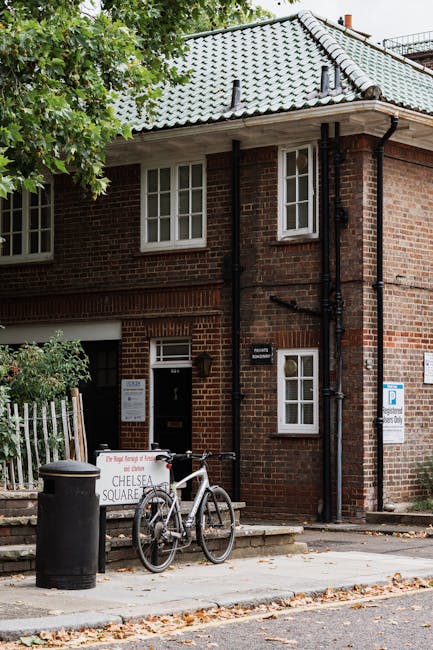
Kings Road Chelsea gardeners local maintenance guide
If you live near Kings Road, you already know the gardens here have their own rhythm. Some are compact courtyard spaces tucked behind elegant terraces; others face wind, shade, soot, or the kind of foot traffic that somehow always finds its way in. A good Kings Road Chelsea gardeners local maintenance guide is not just about mowing and clipping. It is about understanding how local conditions shape what your garden needs, month by month, and how to keep it looking refined without turning maintenance into a weekly headache.
That is the real trick, to be fair. In Chelsea, a garden can look effortless only because someone has been quietly keeping on top of the details. In this guide, you will get a practical, local-first view of what garden maintenance on Kings Road usually involves, how it works, what to prioritise, and where people most often go wrong. If you are deciding between doing the work yourself or bringing in help, this will also give you a sensible way to judge what is worth your time.
It is written for people who want the garden to feel calm, tidy, and genuinely well cared for-not overworked, not overcomplicated, just right.
- Understand the local maintenance routine that suits Chelsea gardens
- Learn what tasks matter most through the seasons
- Spot common problems before they become expensive ones
- Compare practical maintenance options with confidence
- Use a checklist to keep standards consistent
Table of Contents
- Why Kings Road Chelsea gardeners local maintenance guide Matters
- How Kings Road Chelsea gardeners local maintenance guide Works
- Key Benefits and Practical Advantages
- Who This Is For and When It Makes Sense
- Step-by-Step Guidance
- Expert Tips for Better Results
- Common Mistakes to Avoid
- Tools, Resources and Recommendations
- Law, Compliance, Standards, or Best Practice
- Options, Methods, or Comparison Table
- Case Study or Real-World Example
- Practical Checklist
- Conclusion
- Frequently Asked Questions
Why Kings Road Chelsea gardeners local maintenance guide Matters
Kings Road is one of those places where outside space is often precious, visible, and a little bit demanding. A small front garden has to look sharp. A courtyard has to work hard. A larger private garden still needs structure, because Chelsea planting can go from polished to tired surprisingly fast if it is neglected for even a short stretch.
Local maintenance matters because Chelsea gardens do not behave like generic suburban plots. You may be dealing with narrow access, limited storage for tools, shading from buildings, compacted soil, pollution, or strong winds funnelled between properties. Some gardens are also highly exposed to public view. That changes the standard. You are not just maintaining plants; you are maintaining presentation, privacy, and the feel of the whole property.
There is also the practical side. Regular maintenance helps catch early signs of trouble: lawn stress, hedges that are becoming woody, drainage issues, pests, or soil that is losing structure. A missed month here and there is not always dramatic, but it has a habit of showing up later in the form of patchy growth or a garden that feels oddly flat. Truth be told, most costly fixes start as something small and overlooked.
For Chelsea homeowners, landlords, and property managers, local maintenance is also about consistency. If you want the space to look cared for all year, you need a routine that fits the microclimate and the layout, not a one-size-fits-all schedule.
Expert summary: The best garden maintenance on Kings Road is steady, seasonal, and detail-led. Keep the structure neat, protect soil health, and respond early to local pressures like shade, wind, and tight access.
How Kings Road Chelsea gardeners local maintenance guide Works
In simple terms, a local maintenance guide helps you match the garden's needs to the realities of the area. It is a planning tool as much as a care routine. Instead of randomly trimming when things look messy, you work to a repeatable cycle: assess, prioritise, maintain, review, and adjust.
For a Chelsea garden, that usually means paying attention to five moving parts:
- Planting health - flowers, shrubs, climbers, and small trees all have different growth patterns.
- Lawns and ground cover - these need regular attention because small problems show quickly in compact spaces.
- Structure - hedges, edging, pots, trellises, and paths often do as much visual work as the plants themselves.
- Seasonal change - spring growth, summer watering, autumn clearing, winter protection.
- Site conditions - shade, wind, drainage, and access shape what is realistic and what is not.
A good maintenance plan also recognises when specialist work is needed. For instance, a light hedge trim is one thing; a larger boundary hedge that needs shaping and safety checks is another. Likewise, a small ornamental tree may only need routine care, while a mature tree with overhanging limbs may need proper assessment. If you need that level of support, services like tree lopping and removal can form part of a broader maintenance plan, provided the work is appropriate and carefully managed.
In practice, the guide works best when you break it into manageable visits. Weekly or fortnightly attention is often enough for visible areas, while deeper maintenance can be done monthly or seasonally. That rhythm keeps the garden from drifting into catch-up mode. And once you are in catch-up mode, everything takes twice as long. Funny how that happens.
Key Benefits and Practical Advantages
The strongest benefit of a local maintenance approach is not simply that the garden looks tidy. It is that the garden stays healthy, usable, and easier to manage over time. That might sound obvious, but many people only notice the value once they have had a neglected season and then have to reset everything at once.
Here are the practical advantages most Chelsea property owners notice first:
- Better first impressions: A maintained garden lifts the entire property, especially where outdoor space is visible from the street or used for entertaining.
- Lower long-term effort: Small, regular tasks are easier than rescue work after a long gap.
- Healthier planting: Regular deadheading, feeding, pruning, and checking for stress gives plants a better chance to thrive.
- More usable space: Clean paths, clipped edges, and clear planting lines make a garden feel bigger and calmer.
- Earlier problem detection: You are more likely to notice pests, fungal issues, drainage problems, or overgrown roots before they spread.
- Better budget control: Planned maintenance is usually easier to predict than sudden restorative work.
There is also a subtle but important benefit: maintenance creates confidence. When you know the space is under control, you stop feeling slightly guilty every time you look outside. That matters more than people admit. A garden should not feel like a nagging to-do list.
Who This Is For and When It Makes Sense
This guide is useful for anyone responsible for a garden on or near Kings Road, but it is especially relevant if one of these sounds familiar.
- You own a home with a small or medium garden and want it to look polished year-round.
- You manage a rental or managed property where kerb appeal and low-maintenance reliability matter.
- You have a busy schedule and need a realistic routine, not a horticultural grand plan you will never keep up with.
- You are preparing for sale or letting and want the outdoor space to look finished and well kept.
- You already have plants you like but need help keeping them tidy, healthy, and balanced.
- You are dealing with a neglected garden and want to bring it back under control without overhauling everything.
It also makes sense if you are trying to choose between one-off tidy-ups and ongoing maintenance. One-off work can be useful after an event, a seasonal reset, or a long period of neglect. But if the garden is visible, lived-in, or planted with anything that needs regular shaping, ongoing maintenance is usually the more sensible route.
Ask yourself this: do you want a garden that looks good only after a big reset, or one that quietly stays good? That answer tells you a lot.
Step-by-Step Guidance
If you want a straightforward approach, here is a practical way to manage a Kings Road garden without overthinking it.
1. Start with a full walk-through
Look at the garden from the house, from the boundary, and from the main access points. Notice what stands out first. Is it overgrown edging, tired containers, bare patches, weeds in paving, or simply a lack of shape? This initial walk-through tells you where to begin. Don't start trimming everything at once. That is how people lose the overall shape.
2. Separate the work into priorities
List jobs under three headings: must do now, should do soon, and can wait. For example, a blocked drain, hazardous branch, or collapsed container would be a must-do. Deadheading, light pruning, and edging might be should-do. Re-potting or decorative changes can wait if necessary.
3. Match the task to the season
Spring is often about preparation and growth management. Summer is about watering, clipping, and keeping things balanced. Autumn is clearing, reducing pressure on beds, and preparing for wetter weather. Winter is the time for protection, structural pruning where appropriate, and checking for damage. The schedule is not rigid, but the seasons absolutely matter.
4. Keep the structure neat before chasing perfection
A tidy outline makes everything else look better. Edges, paths, hedges, and container groupings create the visual frame. Once that frame is right, the planting reads better, even if some plants are not at peak bloom. This is a useful trick in smaller Chelsea gardens where every inch has to pull its weight.
5. Build in watering and soil care
Plants in pots and raised beds dry out faster than many people expect, especially in sunny or sheltered spots near Kings Road. Keep an eye on soil texture too. If it becomes compacted or water sits on the surface, the garden may need aeration, fresh compost, or a better drainage plan. The plants will tell you, eventually. Usually after a dry spell or a heavy rain. Not subtle.
6. Review and adjust every few weeks
A maintenance plan is only useful if it changes with the garden. If one area is growing faster, if shade has increased, or if a shrub is struggling, update the routine. You are not trying to impose a perfect template. You are trying to keep the space in good condition.
Expert Tips for Better Results
A few practical habits make a disproportionate difference in Chelsea gardens. These are the sorts of things that experienced gardeners tend to do automatically because they know the cost of skipping them.
- Trim lightly and often. Small, regular cuts are usually better than harsh, infrequent ones, especially for hedges and ornamental shrubs.
- Work from the eyes inward. Maintain what is most visible first. The front-facing sections and main sightlines matter most in a local city garden.
- Use containers strategically. Pots help add seasonal colour and flexibility, but they need consistent feeding and watering. They are not set-and-forget.
- Watch the corners. Shade, debris, and hidden weeds often build up at boundaries and in the back of beds.
- Keep tools sharp and clean. Clean cuts help plants recover more smoothly and reduce the spread of disease. A blunt tool is a tiny disaster, really.
- Refresh mulch where needed. Mulch helps with moisture retention and weed control, which is especially helpful in exposed or busy gardens.
- Plan for access. If the garden has narrow side passageways or internal steps, maintenance should be designed around safe movement, not just plant care.
One small but useful observation: in many Chelsea gardens, less is often more. A restrained planting scheme, well maintained, can feel far more luxurious than a crowded one that is constantly fighting itself.
If you are ever unsure whether to cut something back, pause and look at the whole shape. That extra ten seconds saves a lot of regret.
Common Mistakes to Avoid
Some maintenance mistakes show up slowly, which is why they are so easy to repeat. Others are dramatic enough that you notice them immediately. Both matter.
- Waiting too long between visits: A garden that is only touched when it becomes obvious is already harder to manage.
- Over-pruning: Cutting too much at once can expose bare stems, weaken flowering, and leave the garden looking stripped.
- Ignoring drainage: Waterlogged borders and pooling around pots can do real damage over time.
- Using the wrong plants for the light: A shade garden pretending to be sun-loving is an expensive way to stay disappointed.
- Forgetting the soil: Top growth gets the attention, but soil condition drives long-term health.
- Leaving seasonal jobs too late: Some tasks are far easier before the weather turns or growth becomes too vigorous.
- Chasing symmetry where the site does not allow it: Chelsea gardens often have awkward dimensions. Forcing a pattern can make the space feel stiff rather than elegant.
The biggest mistake of all? Thinking maintenance is only about looks. It is not. Looks follow health. If the base is right, the garden tends to reward you.
Tools, Resources and Recommendations
You do not need a shed full of specialist gear to maintain a Kings Road garden well. What you do need is a sensible kit and a realistic plan.
Useful tools for regular maintenance
- Sharp secateurs for light pruning and deadheading
- Shears or hedge trimmers for shaped growth
- Hand fork and trowel for borders and containers
- Rake for leaves and loose debris
- Watering can or hose setup suited to the garden layout
- Gloves and sturdy footwear, especially where access is tight or surfaces are uneven
- Wheelbarrow or garden bags for waste removal
Maintenance services that can help
Depending on the garden, you may want support with regular mowing, hedge work, clearance, or more structural improvements. For example, a steady programme of garden maintenance can keep a property in good shape throughout the year, while lawn mowing helps lawns stay even, healthy, and less prone to coarse growth.
If the garden has become cluttered or was left untouched for a while, garden clearance may be the better starting point. And if the goal is to improve the layout, access, or overall look, options such as landscape gardening or broader landscaping can help reshape the space rather than simply maintain it.
For properties where hedges are a major visual feature, hedge trimming is often one of the most valuable recurring tasks. It is one of those jobs that looks simple until it is done badly. Then it is very obvious.
Law, Compliance, Standards, or Best Practice
Garden maintenance is usually straightforward, but there are still sensible standards to follow. In London, and especially in built-up areas like Chelsea, good practice matters because gardens sit close to homes, neighbours, paths, and shared access routes.
Here are the main considerations to keep in mind:
- Health and safety: Safe tool use, stable footing, and careful handling of ladders or height-related work should never be rushed. If you are arranging professional support, it is reasonable to ask how safety is managed. A clear policy such as the site's health and safety policy and insurance and safety information can help set expectations.
- Neighbour consideration: Noise, access, and waste handling should be managed respectfully. In tightly packed streets, this is just basic good manners, but it matters.
- Waste disposal: Green waste should be handled responsibly. Recycling and composting practices are worth asking about, and a company's recycling and sustainability approach can give you a useful sense of how they work.
- Privacy and access: If your garden sits close to neighbouring windows or shared boundaries, maintenance should be done with care and appropriate access arrangements.
- Business transparency: If you are hiring help, it is sensible to review pricing, payments, and service terms before work begins. Pages like pricing and quotes, payment and security, and terms and conditions help set a clear framework.
Good best practice is mostly common sense, but common sense is exactly what gets skipped when people are in a hurry. A tidy, safe, well-communicated job is nearly always the better job.
Options, Methods, or Comparison Table
Choosing the right maintenance approach depends on time, garden size, and how polished you want the result to be. Here is a simple comparison to help you think it through.
| Approach | Best for | Pros | Limitations |
|---|---|---|---|
| DIY routine care | Smaller gardens, confident owners, light upkeep | Low direct cost, flexible timing, hands-on control | Takes time, easy to miss seasonal tasks, can become inconsistent |
| Scheduled professional maintenance | Busy households, visible gardens, regular presentation | Consistent standards, better seasonal rhythm, less stress | Ongoing cost, needs good communication |
| One-off restoration | Neglected gardens or pre-sale tidy-ups | Fast improvement, useful reset | Does not maintain the result by itself |
| Hybrid approach | Owners who want input but not full-time care | Balanced cost and control, works well in many Chelsea gardens | Requires clear boundaries on who does what |
For many Kings Road properties, the hybrid approach is the sweet spot. You might handle light watering or pot care yourself, while bringing in help for hedge work, mowing, pruning, or seasonal resets. That way the garden stays presentable without eating all your weekends. Which, let's face it, is the real goal for many people.
Case Study or Real-World Example
A typical Chelsea situation goes something like this. A narrow rear garden has a neat terrace, a small lawn, two mature shrubs, and a couple of containers by the seating area. It looked fine in early spring, then growth took off. By mid-summer, the hedge had started encroaching on the light, the pots were drying out faster than expected, and the lawn had developed uneven patches where the shade changed through the day.
Rather than trying to fix everything in one heroic weekend, the maintenance plan was split into steps. First, the hedge and edging were tidied so the structure felt clear again. Then the lawn was assessed and trimmed more carefully, with attention to shaded sections. The containers were refreshed with new compost and a better watering rhythm. Finally, the planting was thinned slightly to improve airflow. Nothing dramatic. No grand redesign. Just steady, practical work.
The result was not a brand-new garden. That was not the point. It became cleaner, brighter, and much easier to live with. The owners stopped feeling like the garden was constantly "on the list," and the space started doing what a Chelsea garden should do: quietly elevate the house, morning and evening, without asking for a fuss.
That is often what good maintenance looks like in real life. Not a transformation montage. Just calmer, better-tended space.
Practical Checklist
Use this checklist as a quick maintenance reset for a Kings Road Chelsea garden.
- Check lawn condition and trim if needed
- Inspect hedges, shrubs, and climbers for overgrowth
- Remove weeds from beds, paving, and borders
- Deadhead spent flowers and tidy faded foliage
- Water containers and newly planted areas properly
- Look for drainage problems or standing water
- Refresh mulch or compost where soil looks tired
- Clear leaves and debris from corners and paths
- Review any plant that is struggling in shade or wind
- Confirm waste is bagged, sorted, and removed responsibly
- Note what needs deeper work next time
Quick self-check: if you can answer "yes" to tidy structure, healthy planting, manageable watering, and safe access, you are probably in good shape. If not, that tells you where the next hour should go.
Conclusion
A strong Kings Road Chelsea gardeners local maintenance guide is really a guide to keeping life simple. The best gardens in this part of London are rarely the most complicated; they are the ones that are looked after with rhythm, judgement, and a bit of restraint. Regular care protects the structure, supports plant health, and keeps the space feeling calm instead of chaotic.
If you remember only one thing, let it be this: local conditions matter. Shade, wind, access, soil, and visibility all shape how a Chelsea garden should be maintained. Once you work with those realities rather than against them, the whole job becomes easier. And a lot more satisfying, too.
Get a free quote today and see how much you can save.
Whether your garden needs a light seasonal tidy or a more regular maintenance rhythm, the right approach will make it feel better almost immediately. Small steps, done well, really do add up. That is the quiet magic of a well-kept Chelsea garden.
Frequently Asked Questions
What does a Kings Road Chelsea gardeners local maintenance guide actually cover?
It covers the practical routines needed to keep a Chelsea garden healthy, tidy, and presentable. That includes lawn care, hedge trimming, border upkeep, pruning, watering, waste removal, and seasonal planning.
How often should a garden near Kings Road be maintained?
It depends on size, planting style, and exposure, but many gardens benefit from weekly or fortnightly attention during the growing season. Larger or more complex spaces may need a more tailored schedule.
Is professional garden maintenance worth it for a small Chelsea garden?
Often, yes. Small gardens can still need regular care, especially where presentation matters. Professional maintenance can save time and keep the space looking polished without constant catch-up work.
What tasks are most important in a local maintenance routine?
The most important tasks are usually hedge and shrub control, lawn care, watering, deadheading, weed removal, and checking for drainage or plant stress. Structure first, then detail.
Can I manage Chelsea garden maintenance myself?
Yes, if the space is manageable and you have the time. DIY works best when you keep to a realistic schedule and avoid letting jobs stack up for too long.
What are the common signs a garden needs more than basic upkeep?
If the garden has dense overgrowth, patchy lawn areas, poor drainage, tired soil, or plants that no longer suit the light, it may need a deeper maintenance or restoration plan.
How do I keep a garden looking good in a shaded Chelsea location?
Choose shade-tolerant planting, avoid overcrowding, water carefully, and maintain airflow by pruning responsibly. Shade gardens can look excellent, but they need the right structure.
What should I ask before hiring a gardener locally?
Ask about experience with similar gardens, maintenance frequency, insurance, safety practices, pricing, waste handling, and what is included in the visit. Clear expectations avoid awkward surprises.
Does garden maintenance include waste removal?
It often does, but not always in the same way. Some services include green waste removal as part of the visit, while others specify it separately. Always check before work begins.
What is the difference between garden maintenance and landscaping?
Maintenance keeps an existing garden in good condition. Landscaping usually refers to changing the layout, features, or structure of the garden. One preserves; the other transforms.
Are there any safety issues I should think about?
Yes. Safe tool use, stable access, and careful handling of ladders or branches all matter. In narrow urban gardens, safe movement and tidy working areas are especially important.
How do I know if my garden is becoming expensive to maintain?
If routine jobs are being missed, plants are becoming overgrown, or small issues keep turning into bigger ones, the garden is probably drifting into a more costly pattern. Regular care usually keeps costs steadier.
Sometimes the best garden advice is the least dramatic: keep on top of the basics, notice changes early, and let the space breathe. It is not glamorous, but it works-and in a place like Chelsea, that quiet consistency goes a very long way.