Gardening Services in Chelsea

Gardening Services Chelsea covers practical garden care, tidy-up work and planned outdoor improvements for homes and managed properties in Chelsea. Our main focus is the day-to-day work that keeps a garden presentable, functional and easier to look after, from lawn care and hedge trimming to planting support and larger clear-downs. The aim is straightforward: maintain what is already there, improve what is overgrown or tired, and help you move towards a garden that suits the space and the way you use it.
We work across a mix of routine maintenance and one-off projects, so you can ask for help with a single task or a more joined-up plan. Some gardens only need regular upkeep; others need a more considered approach that combines cutting back, clearing, shaping and replanting. If you want a clear quotation, it helps to have a sense of the areas involved and the sort of finish you want, whether that is neat and minimal or more planted and layered.
For customers comparing options, the best place to begin is the services overview, which sets out the main types of work in plain terms. If you already know that you need a specific task, you can move straight to the relevant section and focus on the outcome you want. Please request a quotation when you are ready to discuss the scope.
Regular garden maintenance and seasonal care
Routine gardening keeps a space manageable through the year. That can include mowing, edging, pruning light growth, keeping borders tidy and removing small amounts of waste as part of the visit. A sensible maintenance plan is not only about appearance; it also helps lawns, shrubs and beds stay within bounds so larger corrective work is less likely to be needed later. The right schedule depends on the planting, the size of the garden and how quickly it grows.
Where the garden has mixed features, our maintenance work can be arranged so each part gets the attention it needs. Lawns often need consistent cutting and clean edges, while hedges and shrubs need careful shaping rather than hard reduction every time. Beds may benefit from weeding, light pruning and seasonal tidying, especially after periods of heavy growth. If you want to arrange lawn mowing, this can be handled as a standalone service or as part of wider upkeep.
Typical maintenance decisions include how often to visit, whether clippings should be taken away, and how much of the garden should be finished on each appointment. If you are preparing to contact us, a short description of the main areas is usually enough to start the conversation, and photographs can help show access points and the current state of the work. For planted gardens, it is also useful to mention any areas you would like left untouched or treated more cautiously.
Shaping hedges, shrubs and boundary growth

Hedge trimming is often one of the most visible parts of garden care because neat lines quickly change the look of an entire frontage or rear garden. Trimming is about more than appearance: it can keep growth from spilling into paths, driveways and seating areas, and it can help preserve a shape that suits the size of the plot. The right approach depends on the species, the season and how much growth has built up since the last cut.
We can also address shrubs and other boundary planting that has become untidy or difficult to manage. Some growth needs a light corrective trim, while other areas may need more careful reduction to avoid exposing bare stems or removing too much structure at once. If you are planning a wider refresh, hedge work often sits well alongside broader garden maintenance so the whole space feels coherent rather than patched together.
For quoting, the key details are the length of the hedge or run of shrubs, whether both sides need attention, and whether the material needs collecting afterwards. If access is awkward, that is worth mentioning too, as it affects the way the work is set up. The more clearly the job is described, the easier it is to propose a practical scope and avoid unnecessary extra visits.
Clearance work for overgrown or neglected gardens
When a garden has been left for a while, clearance work is often the quickest way to restore access and reveal what the space can do. That may involve cutting back overgrowth, removing accumulated green waste, opening up paths and tackling tangled borders. The objective is not simply to strip everything out, but to bring the area back to a stage where maintenance, planting or redesign can happen in a sensible order.
Garden clearance can be useful before a move, after a long period without upkeep or ahead of a landscaping project. In some cases, the job is mainly about removal and disposal; in others, there is a mix of selective pruning and clearing so that healthy plants are retained while the rest is tidied away. You can read more on the dedicated garden clearance page if that is the main service you need.
Useful details for a clearance quote: the size of the area, the amount of waste likely to be involved, any items that must stay in place, and whether the garden includes narrow side access or steps. If a section is heavily tangled, it may be worth identifying it separately so the work can be planned in stages. A clear starting point makes it easier to understand what needs lifting, cutting, bagging and loading.
Planting, borders and garden presentation

Planting work adds structure, colour and seasonal interest, whether the aim is a simple low-maintenance border or a more layered garden with a stronger visual finish. In practical terms, planting can mean refreshing tired beds, replacing failed plants, adding shrubs for shape, or building a border that is easier to keep tidy over time. The best choices depend on light, soil conditions and the amount of care you want to give the space afterwards.
Border work is often strongest when it is planned alongside the rest of the garden rather than treated as a separate cosmetic step. A newly planted area needs space around it, sensible edging and a realistic watering and upkeep plan. If your garden has existing features such as paving, decking or narrow beds, we can work with those conditions rather than forcing a one-size-fits-all layout. Where a broader change is needed, landscape gardening is the relevant route.
Good preparation makes the planting stage easier to scope. Mention whether the area already has mature shrubs, if you want some plants retained, and whether the result should feel formal, naturalistic or restrained. It is also worth saying if you want the work to be phased, as some borders are easier to build up in stages than in one large visit.
Landscape gardening and larger garden improvements
Landscape gardening covers more substantial changes to how a garden looks and functions. That can include reshaping beds, creating new planting zones, improving the layout of paths and open areas, and making outdoor space feel more purposeful. The process usually begins with what already exists on site, because useful improvements come from working with the garden’s proportions, access and practical limits rather than ignoring them.
For some clients, the main need is to simplify a complicated garden; for others, it is to add structure to a plain space. The work may combine soil preparation, edge definition, planting, clearance and finishing details so the result feels complete rather than piecemeal. If you want to understand the broader options available before choosing a direction, the landscaping page gives a useful summary of this type of project work.
When planning a larger change, it helps to separate must-have elements from desirable extras. That might mean deciding whether the priority is easier maintenance, better visual balance or more usable outdoor space. A clear brief also helps when a garden includes awkward corners, level changes or mature growth that shapes what can be done without overcomplicating the job.
About Chelsea
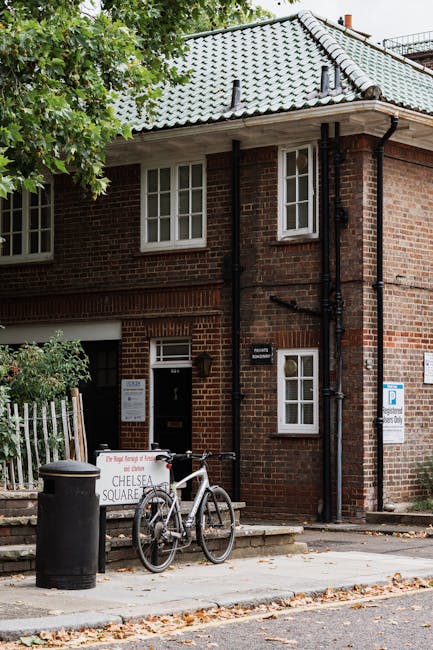
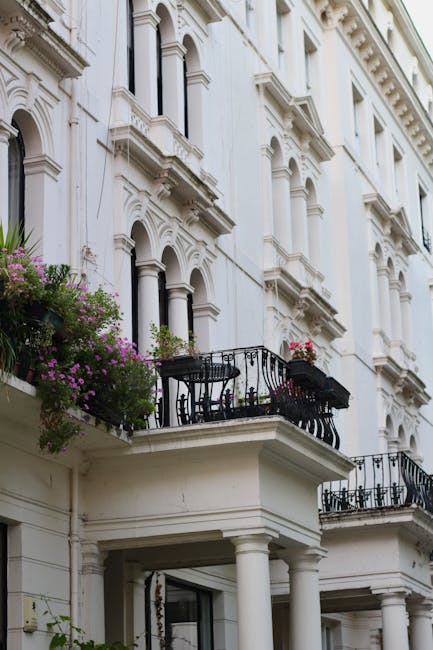
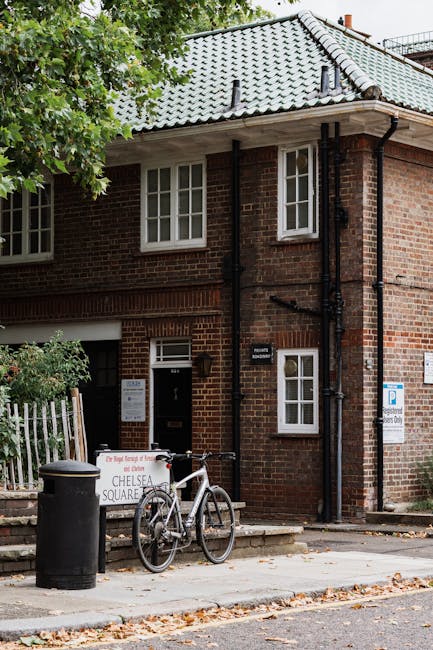
Chelsea is an inner London district on the north bank of the River Thames, in the Royal Borough of Kensington and Chelsea. Historically associated with riverside settlement and later with high-status housing, it has long been shaped by a mix of residential streets, cultural institutions and local commerce. The area’s built character includes terraces, mansion blocks and mews streets, with many roads reflecting the gradual westward growth of London during the eighteenth and nineteenth centuries. Chelsea Embankment, completed in the nineteenth century, remains one of the most recognisable pieces of public realm along the river, while nearby streets lead towards Sloane Square and the wider Chelsea retail and civic core.
The district is also closely linked with institutions that helped define its cultural reputation. The Saatchi Gallery at Duke of York’s HQ is a major contemporary art venue, while the Royal Hospital Chelsea, founded in the late seventeenth century by Charles II, is one of the area’s best-known historic landmarks. Its gardens and ceremonial traditions are part of Chelsea’s identity, as is the annual Chelsea Flower Show held at the Royal Hospital grounds. Parkland and open space appear in smaller pockets rather than in large expanses, including Chelsea Physic Garden, a long-established botanical garden on the Thames side, which is valued for its compact but distinctive collection and historic setting.
Walking through Chelsea, one notices a neighbourhood with strong contrasts: quiet residential streets, busy commercial strips, riverside promenades and pockets of institutional architecture all sit close together. The area’s identity has been shaped by artists, writers, designers and long-established residents, but it also remains firmly part of central London’s everyday fabric. This combination of riverside geography, historic buildings and active cultural use gives Chelsea a layered character that is recognisable without being uniform, and it helps explain why the district continues to attract both local and wider interest.
Tree work and heavier cutting back
Where a garden has trees or substantial woody growth, the work may need more than standard trimming. Tree lopping and removal is usually considered when branches are interfering with light, touching structures, leaning in an awkward way or becoming too large for the available space. The exact approach depends on the type of tree, its condition and what needs to remain in the garden afterwards. In some cases, selective reduction is enough; in others, removal is the clearer solution.
Heavier cutting back should always be judged carefully because it affects the shape and future growth of the plant as well as the look of the garden. A balanced result matters more than simply taking off as much as possible. If a tree or substantial branch work is part of the job, it is helpful to describe what is causing concern and whether the area around it is easy to access. You can view the relevant service details on the tree lopping and removal page.
For jobs involving larger growth, we also need to understand what will be left behind once the work is complete. Some customers want a clear open area, while others want the tree reduced but still present. That distinction changes the method, the time required and the disposal arrangements, so it is worth setting out early rather than after the work has been scheduled.
Lawns, finishing touches and garden tidiness

Many gardens feel properly looked after only when the finishing details are right. That includes lawn care, edging, border clean-up, removal of loose debris and making sure pathways and seating areas are left neat. Small finishing tasks may seem secondary, but they often make the difference between a garden that looks half-done and one that feels ready to use. A tidy result also makes routine maintenance easier at the next visit.
Lawns often sit at the centre of this stage because they frame the rest of the garden. A cut lawn with clear edges can make surrounding planting and hard landscaping look far better, even without major changes elsewhere. Where lawns are uneven, patchy or bordered by overgrowth, the work may involve more than mowing alone. If you are comparing service options, the dedicated lawn mowing page is a useful place to start, especially when the grass is the main concern.
Good finishing also depends on practical handling of waste and cuttings. Some gardens need everything taken away, while others only need the obvious material cleared from paths and access points. If you are planning your enquiry, think about the finish you want on the day, the areas that matter most, and whether there are places where you would like a more detailed hand-finishing pass. Those points help shape a clearer quotation.
How to plan a quotation and next steps
Quotations are easier to prepare when the job is described in a structured way. The main point is to separate the core work from the optional extras: for example, mowing alone is different from mowing plus edging, waste removal and border tidying. A brief note on access, the size of the garden and the current condition can save time later. If you have photographs, they are often useful because they show the layout, the level of growth and any awkward sections.
A clear enquiry also benefits from knowing how urgent the work is and whether it is a one-off task or something that may be repeated. For instance, a property that needs a general reset may be handled differently from a garden that is already in good order but needs regular upkeep. When you are ready to move forward, you can review pricing and quotes and then send your details through the contact route that suits you best.
Simple checklist for a better quotation: which areas need attention, whether waste should be removed, any obstacles or limited access, and the finish you want at the end. If there are plants, structures or surfaces that need care, note those too. You do not need a long explanation; a concise outline is usually enough to help us understand the work and respond with something relevant and practical.
Standards, materials and responsible garden waste handling
Garden work is more effective when it is carried out with a clear eye on safety, materials and disposal. Cutting tools, ladders, loaded bags and awkward green waste all need sensible handling, especially when work is being done around paving, fences, sheds and planted areas. Planning the method matters because the right sequence reduces disruption and helps the garden settle back into use quickly after the visit.
Responsible waste handling is a normal part of many gardening tasks, from grass cuttings and hedge trimmings to branches and cleared debris. Some jobs produce only a small amount of waste; others create a substantial load that needs collecting and moving off site. If sustainability matters to you, it may also be worth looking at the recycling and sustainability page for the broader approach to garden material handling.
There are also practical limits that affect how a garden is worked on. Very dense growth, restricted access, steep steps or fragile surfaces can all influence the order in which tasks are completed. Mentioning these points early makes it easier to plan the work properly. It can also help to say whether you want the garden left entirely clear, lightly finished or ready for a follow-on project such as planting or landscaping.