Sloane Square small garden gardeners and planting crews: a practical guide to beautiful compact gardens
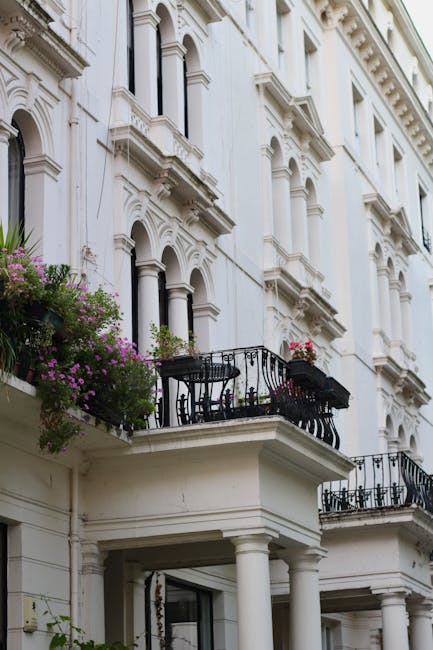
If you live near Sloane Square, you already know the pace and feel of the area: elegant streets, tight outside spaces, and gardens that have to do a lot with very little room. That is exactly where Sloane Square small garden gardeners and planting crews come into their own. The right team can turn a narrow courtyard, a tucked-away terrace, or a modest London plot into something that feels calm, lush, and manageable rather than crowded and high-maintenance.
This guide breaks down what these services actually involve, how they work, who they suit, and what to look for before you book. It also covers practical planting choices, common mistakes, and the kind of detail that makes a small garden feel polished rather than simply filled. Truth be told, in a small garden every decision shows up fast - so good planning matters.
Whether you want seasonal planting, a full refresh, or dependable care from a garden maintenance team, this article will help you make a smarter choice and get better results from the space you already have.
Table of Contents
- Why Sloane Square small garden gardeners and planting crews Matters
- How Sloane Square small garden gardeners and planting crews Works
- Key Benefits and Practical Advantages
- Who This Is For and When It Makes Sense
- Step-by-Step Guidance
- Expert Tips for Better Results
- Common Mistakes to Avoid
- Tools, Resources and Recommendations
- Law, Compliance, Standards, or Best Practice
- Options, Methods, or Comparison Table
- Case Study or Real-World Example
- Practical Checklist
- Conclusion
- Frequently Asked Questions
Why Sloane Square small garden gardeners and planting crews Matters
Small gardens in and around Sloane Square are rarely blank canvases. They often have mature neighbours, patchy shade, awkward access, hard paving, or a layout that feels more like a sequence of corners than a single open room. That is not a problem, exactly. It just means the garden needs a more thoughtful hand.
A skilled small-garden gardener understands that scale changes everything. A planting scheme that looks lovely in a showroom can feel cramped in a compact Chelsea garden. A few oversized shrubs can swallow the light. Too many competing colours can make the space feel busy instead of restful. The best planting crews work with restraint. They create rhythm, structure, and a sense of flow, which is harder than it sounds.
This matters because small gardens are viewed up close. You sit with them, look out at them from the kitchen, and notice every little awkward edge. A successful result is less about planting more and more about planting well. That is usually the difference between a space that feels "done" and one that feels genuinely considered.
For local homeowners, landlords, and tenants, there is also a practical side. A well-kept compact garden can be easier to live with, easier to maintain, and more inviting for everyday use. If you want the wider service picture, it can help to review the company's services overview and see how planting sits alongside ongoing care such as garden maintenance.
How Sloane Square small garden gardeners and planting crews Works
Most good projects begin with a site visit or a careful remote assessment, followed by a conversation about how you want the garden to feel and function. That sounds obvious, but it is where many jobs go wrong. People often lead with plant names when they should lead with use: Where do you sit? Where does the light fall? Do you want privacy? Are you hoping for year-round structure or more of a seasonal display?
Once the goal is clear, the gardener or planting crew usually looks at soil condition, drainage, exposure, containers, existing planting, and how much maintenance you are willing to do. A tiny front courtyard with dry shade is a very different beast from a sheltered south-facing terrace. In London, that nuance really matters. One size never fits all - not even close.
After that comes the planting plan. This may include:
- evergreen structure for winter shape
- flowering plants for colour and movement
- climbers to use vertical space efficiently
- containers for flexibility in small footprints
- mulch or top dressing to help retain moisture and improve finish
The crew then installs the plants, checks spacing carefully, and tidies the space so the planting looks intentional rather than jammed in. In a compact garden, planting depth, spacing, and edge finish can make or break the result. After all, if the first thing you notice is that something feels too crowded, the design has already lost a bit of its charm.
A strong team may also coordinate adjacent work where needed. For example, if borders need clearing before planting, or if the garden benefits from a new path edge, raised planter, or deck area, related services such as garden clearance, landscaping, or even decking services can support the overall result.
Key Benefits and Practical Advantages
The biggest benefit is simple: a good planting crew makes a small garden feel larger, calmer, and more usable. That does not happen by accident. It comes from smart layering, consistent maintenance, and a clear understanding of proportions.
Here are the main advantages people usually notice first:
- Better use of space: Vertical planting, containers, and layered borders create interest without clutter.
- Less visual noise: A disciplined planting plan reduces the "bitty" look that small gardens can get.
- Year-round appeal: Evergreen structure and seasonal rotation keep the space looking alive even in winter.
- More practical maintenance: A well-set planting scheme is easier to look after than an overstuffed one.
- Improved privacy and comfort: Thoughtfully chosen plants can soften views and create a gentler atmosphere.
There is also a quieter benefit that people only notice after a while. The garden starts to feel emotionally easier. You stop seeing chores everywhere. You start seeing a place to sit with a coffee on a cool morning, or a place to open the doors at 7:30 in the evening and let the room breathe. That's not a minor thing, really.
Expert summary: In compact Chelsea gardens, the best planting crews do not try to impress with quantity. They aim for balance, structure, and restraint - then they maintain that standard consistently.
Who This Is For and When It Makes Sense
This service makes sense for a wide range of people, but it is especially useful if your garden has limited room and you want it to work harder without becoming fussy.
You may be a good fit if you are:
- a homeowner who wants a neat, elegant garden without overcomplicated upkeep
- a busy professional who needs reliable seasonal planting and regular care
- a landlord preparing a property for viewing or letting
- a resident with a terrace, courtyard, or narrow side return that needs a smarter layout
- someone with a mature garden that has become patchy, leggy, or overgrown
It also makes sense when you feel that the space has "gone dull" but you are not ready for a full redesign. A planting crew can often refresh the look with selective changes rather than starting from scratch. Sometimes that is exactly what is needed. Less drama, better result.
If your garden is also suffering from untrimmed hedges or leggy growth near the boundary, services such as hedge trimming or tree lopping and removal may be relevant alongside the planting work.
Step-by-Step Guidance
Here is the most practical way to approach a small garden planting project in Sloane Square. Not glamorous, perhaps, but it works.
1. Start with the actual use of the garden
Decide what the garden needs to do. Sit-out space? Privacy? Colour? Pet-friendly planting? Pollinator interest? A lot of people skip this part and then wonder why the garden feels beautiful but awkward. Beauty is lovely. Usability is better.
2. Measure light, shade, and access
In a small garden, light can change sharply from one corner to another. A wall may create afternoon shade, while a narrow paved strip gets reflected heat. Crews should take that into account before choosing plants. Access matters too, because awkward delivery routes or tight stair access can affect what can realistically be installed.
3. Clear and prepare the site
Old compost, failed plants, weeds, and tired containers often need removing first. Soil may need loosening, feeding, or replacing in spots. For a garden that has become cluttered over time, garden clearance can create a clean starting point. A neat start often leads to a neat finish. Funny how that works.
4. Choose a plant palette, not just individual plants
The best planting schemes are built around combinations that work together in height, shape, and texture. For example, a few structural evergreens, some medium-height flowering plants, and lower fillers often look better than a random mix of attractive plants with no common thread.
5. Install in layers
Think background, middle, and front. In a small garden, that layering can be done with borders, wall climbers, pots, and low edging. The aim is to guide the eye, not overwhelm it.
6. Finish with tidy edging and surface care
Once planting is complete, the final details matter: firming in plants, watering correctly, topping up mulch, and making sure edges look crisp. A small space can look expensive or it can look a bit thrown together. The difference may only be a few centimetres of tidy finish, but you will notice it immediately.
7. Plan the aftercare
Ask how often the planting should be checked, fed, deadheaded, pruned, or replaced. A planted small garden is not a one-and-done job. It becomes part of a rhythm. That is why a lot of people pair planting with ongoing garden maintenance or periodic visits through a local team.
Expert Tips for Better Results
If you want a small garden to look polished rather than crowded, a few professional habits make a big difference.
- Use repetition wisely. Repeating the same plant in groups usually feels calmer than scattering single specimens everywhere.
- Choose texture as well as colour. Leaves matter. A lot. Silvery foliage, glossy evergreen leaves, and soft grasses can create depth even when flowers are sparse.
- Leave breathing space. Empty space is not wasted space in a compact garden. It gives plants room to read properly.
- Think in seasons. A garden should not peak for one week and then disappear. Plan for spring, summer, autumn, and winter structure.
- Use containers sparingly. Pots are brilliant for flexibility, but too many can make a small space feel busy and fiddly.
One small but useful habit: step back after each stage and view the space from the exact places you use it most, like a kitchen door or a bench. A border can look perfect from above and oddly cramped from eye level. That is a very normal mistake, by the way.
If you are comparing broader outdoor improvement options, it can help to look at related services such as landscape gardening and think about how planting, paving, and structure work together. Sometimes a simple change to layout does more than adding another six plants ever could.
Common Mistakes to Avoid
Small gardens are forgiving in some ways and brutally revealing in others. A tiny misjudgement can make the whole thing feel off.
- Overplanting: This is the classic error. Too many plants, too little space, and suddenly nothing looks special.
- Ignoring mature size: A plant that looks modest in the pot may grow into a bully if placed badly.
- Chasing trends over suitability: The fashionable plant is not always the right plant for your light or soil.
- Forgetting maintenance: A garden that looks good on day one but needs constant rescue is not really a win.
- Mixing too many styles: Mediterranean, cottage, tropical, and formal all at once can feel muddled in a small footprint.
- Leaving poor drainage untreated: If the soil is waterlogged or dried out too quickly, planting will struggle no matter how attractive the scheme looks.
One slightly unglamorous truth: a lot of "bad gardens" are really just gardens with no clear editing. Trim the visual clutter, and the space often improves more than people expect.
Tools, Resources and Recommendations
Good planting crews work with a mix of practical tools and local knowledge. You do not need to become a gardener yourself, but it helps to understand the basics of what should be used.
Common tools and materials include:
- spades, forks, trowels, and hand forks for planting and soil work
- secateurs and loppers for light shaping and deadheading
- watering cans or hose systems for accurate watering
- mulch, compost, and soil improvers for root health and moisture retention
- containers and liners for flexible, space-saving displays
- supports or trellis for climbers and vertical planting
Useful service pairings for compact London gardens often include lawn mowing where small lawns are part of the design, or recycling and sustainability where removed green waste and material reuse matter to you. If you care about safety and peace of mind, it is also sensible to review the company's approach to insurance and safety.
And if you are simply trying to understand what a provider can do before you commit, the services overview is a good place to see the wider picture without getting buried in jargon.
Law, Compliance, Standards, or Best Practice
For most domestic planting work, the focus is not on complex regulation but on sensible best practice. That said, reputable gardeners and planting crews should still operate carefully and professionally.
In practical terms, that usually means:
- working safely around tools, hard surfaces, and shared access routes
- handling waste responsibly and leaving the site tidy
- using materials and methods that suit the property and do not create avoidable damage
- being clear about scope, pricing, and what is included before work starts
- respecting privacy, access arrangements, and any building or management requirements
If a job involves heavier work, tree-related cutting, or movement of larger materials, safety awareness becomes even more important. A professional team should be able to explain how they manage risk and what precautions they use. You do not need a lecture. You do need clarity. That part is fair enough.
For administrative matters, good providers also make it easy to understand their terms, payment expectations, and complaints process. The specific pages that may help include terms and conditions, payment and security, and complaints procedure. If accessibility is a concern, it is reasonable to check the provider's accessibility statement as well.
Options, Methods, or Comparison Table
There are a few common ways to approach a small garden in Sloane Square, and each one suits a different kind of space. Here is a simple comparison.
| Approach | Best for | Strengths | Trade-offs |
|---|---|---|---|
| Container-led planting | Terraces, paved courtyards, flexible layouts | Easy to adjust, good for tight access, strong seasonal impact | Needs regular watering and feeding |
| Border-led planting | Gardens with soil beds or perimeter planting space | Feels more permanent and natural, can soften boundaries | Less flexible if the layout changes later |
| Vertical planting | Narrow gardens, shady walls, privacy screens | Uses height well, creates enclosure, saves floor space | Needs the right support and careful plant choice |
| Mixed scheme | Most small gardens | Balanced, layered, visually interesting | Needs a stronger design eye to avoid clutter |
In practice, many of the best results come from a mixed approach. A few containers, a tidy border, and some climbing planting can give a small space both structure and softness. That blend often feels much more natural than forcing the whole garden into one style.
Case Study or Real-World Example
Imagine a compact rear garden near Sloane Square: a paved sitting area, a narrow side bed, one tired shrub, and a couple of containers that have clearly seen better days. Not a disaster, but not especially inviting either. On a grey London morning, it would probably just read as "fine" from the kitchen window. And fine is not really the goal.
A planting crew would typically start by clearing weak growth and emptying overworked pots. They might improve the soil in the border, then choose a restrained palette: evergreen structure for the back, softer flowering plants through the middle, and a handful of low growers near the edge. If shade is an issue, they would avoid forcing in sun-lovers that sulk all summer. If the garden feels overlooked, they could add climbers or upright plants to create a little more privacy.
After installation, the space would be watered in properly, mulched, and checked after the first few weeks to see what needs settling. The result is not necessarily flashy. It is better than flashy. It feels calm, elegant, and easy to live with. You walk in, or look out, and the whole space makes more sense. That is the real win.
Practical Checklist
Before you book or brief a team, run through this list. It saves headaches later.
- Have I decided how I want the garden to feel and function?
- Do I know which parts get sun, shade, wind, or reflected heat?
- Have I thought about watering, maintenance, and seasonal changes?
- Is there clutter, waste, or old planting that should be removed first?
- Do I want a low-maintenance scheme or something more decorative?
- Have I considered whether the garden needs support from landscaping or deck work?
- Do I understand what aftercare is included?
- Have I checked the provider's safety, payment, and service information?
- Will the final design still work when plants reach mature size?
- Does the plan leave enough space for real use, not just visual effect?
Practical takeaway: If a planting plan looks beautiful on paper but leaves no room to walk, sit, or breathe, it is probably the wrong plan. In a small garden, usability is part of beauty.
Conclusion
Sloane Square small garden gardeners and planting crews are not just there to put plants in the ground. Their real job is to shape a small outdoor space so it feels balanced, personal, and easy to enjoy throughout the year. That means reading the site properly, choosing plants with care, and keeping the long game in mind.
When the work is done well, a compact garden stops feeling like a compromise. It becomes a proper room outside - one that suits London living, respects the limits of the space, and still manages to feel generous. That is a lovely thing to get right, and when it happens, you tend to feel it every time you open the door.
Get a free quote today and see how much you can save.
If you would like a team that understands compact urban gardens and steady aftercare, explore the company's about us page and then make use of the contact us page to start the conversation. A good garden begins with a clear brief, and honestly, that first conversation often tells you a lot.
Frequently Asked Questions
What do Sloane Square small garden gardeners and planting crews actually do?
They design, prepare, plant, and maintain small outdoor spaces so they look better and work better. That can include plant selection, soil improvement, container planting, seasonal refreshes, edging, and follow-up care.
How is small-garden planting different from larger garden work?
Small gardens need tighter editing. Every plant, path, and pot has more visual impact, so scale, spacing, and repetition matter much more than they do in a larger garden.
Can a small garden still have year-round interest?
Yes. In fact, it should. A good planting crew will usually combine evergreen structure, seasonal flowers, and plants with attractive leaves or stems so the garden does not disappear in winter.
Is container planting a good option for a Sloane Square garden?
Absolutely, especially where access is tight or the layout is mostly paved. Containers are flexible and can be changed over time, though they do need regular watering and feeding.
How often will a small planted garden need maintenance?
That depends on the scheme, but even low-maintenance planting benefits from regular checks. Deadheading, watering, pruning, and seasonal tidying all help keep a compact garden looking sharp.
What if my garden is very shady or overlooked?
That is common in London and not a deal-breaker. Shade-tolerant planting, vertical structure, and privacy planting can make a big difference, provided the plant choices suit the conditions.
Do planting crews remove old plants and waste?
Often, yes, though it is best to confirm that in advance. If there is a lot to clear, a separate or combined garden clearance service may be the cleaner option.
What should I ask before booking a gardening team?
Ask about plant selection, aftercare, access requirements, safety practices, timescales, and what is included in the price. Clear answers at the start usually mean fewer surprises later.
How do I stop a small garden from looking overcrowded?
Choose fewer plant types, repeat them in sensible groups, and leave some open space. It sounds simple, but it is one of the most effective ways to improve a compact garden.
Can planting crews also help with hedge trimming or tree work?
Yes, if the provider offers those services and the work is relevant to the garden's condition. Overgrown boundaries can change the light and shape of a planting scheme, so related services may be useful.
Are there safety or insurance questions I should ask?
Yes. It is sensible to check that the team works safely and has appropriate cover. For reassurance, review the provider's information on insurance and safety and, if relevant, their health and safety policy.
What is the best next step if I want to improve my small garden?
Start with a clear idea of how you want to use the space, then arrange an assessment or quote. From there, a good planting crew can suggest a realistic plan that suits your garden, your time, and your taste.