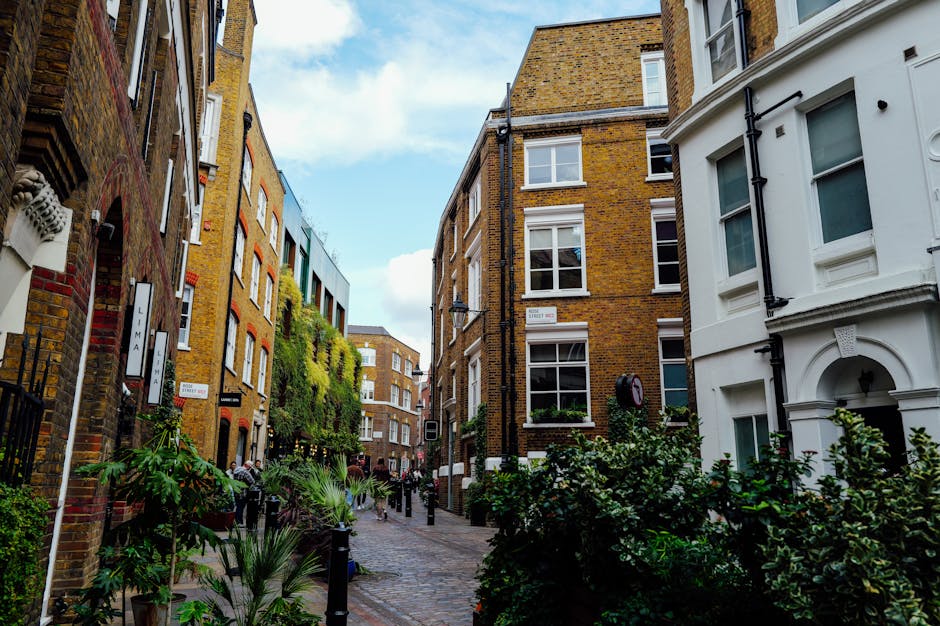
Kings Road garden maintenance experts for Chelsea homes
If you live near Kings Road, you already know the rhythm of Chelsea life: elegant streets, compact outdoor spaces, a constant eye for presentation, and very little patience for a garden that looks tired by midweek. That is exactly where Kings Road garden maintenance experts for Chelsea homes earn their keep. A well-kept garden here is not just decoration. It is part of how the home feels, how it welcomes people, and how it holds up through the changing pace of London weather.
Whether you have a small courtyard, a townhouse border, a roof terrace, or a leafy front garden that needs regular attention, the right maintenance approach can make all the difference. This guide breaks down what professional garden maintenance looks like in Chelsea, how the service works, what to expect, and how to choose a practical plan that actually suits your space. No fluff. Just the useful stuff, properly explained.
Expert summary: In Chelsea, good garden maintenance is not about doing everything at once. It is about steady, detail-led care: regular pruning, clean edging, healthy soil, tidy surfaces, and an eye for the small things that stop a garden from slipping.
- Why this matters for Kings Road and Chelsea homes
- How garden maintenance services work
- Key benefits and practical advantages
- Who needs this service most
- Step-by-step guidance
- Expert tips for better results
- Common mistakes to avoid
- Tools, resources and recommendations
- Law, compliance, standards and best practice
- Options, methods and comparison
- Case study or real-world example
- Practical checklist
- Conclusion
- Frequently asked questions
Why Kings Road garden maintenance experts for Chelsea homes Matters
Chelsea gardens face a specific set of pressures. Space is often limited. Boundaries may be shared. Planting can be decorative but demanding. And if your garden fronts a street like Kings Road, it is visible all the time. That changes the standard. A patch of lawn that might be forgiven elsewhere can look neglected very quickly here, especially when it sits against neat brickwork, stone paving, or carefully chosen architectural planting.
Maintenance matters because gardens are living systems, not static displays. Plants grow unevenly. Soil compacts. Hedging gets leggy. Pots dry out faster than people expect, especially in a sheltered urban corner where wind tunnels and reflected heat can be a nuisance. One missed month can create three months of tidy-up work later. Truth be told, that is where many home gardens start to feel like a chore rather than a pleasure.
Kings Road garden maintenance experts for Chelsea homes understand the difference between cosmetic tidying and proper upkeep. Cosmetic tidying makes a space look fine for a day. Proper upkeep keeps it healthy, balanced, and easier to manage over time. That distinction is more important than it sounds.
For Chelsea homeowners, maintenance also protects investment. A cared-for garden supports property presentation, makes outdoor space usable in more seasons, and reduces the kind of gradual decline that sneaks up on busy households. If you have ever stepped into a garden in early spring and thought, "It could come back nicely, if someone just gave it a proper run-through," then you already understand the value here.
Many residents also want a reliable service relationship, not a one-off rush. That is why many people start by reviewing a company's services overview and then checking the practical details around who they are, how they work, and whether they feel like a good fit for a home that needs regular attention.
How Kings Road garden maintenance experts for Chelsea homes Works
Professional garden maintenance is usually built around a repeatable routine. The aim is not to redo the garden every visit, but to keep it in a healthy, presentable condition all year. A good gardener will start by assessing the space properly: what grows where, what is struggling, what needs cutting back, and what just needs a bit of breathing room.
In practice, the work often includes mowing where relevant, edging, weeding, deadheading, pruning, feeding, hedge trimming, seasonal planting, leaf clearance, container care, pressure-free cleaning of hard surfaces where appropriate, and general presentation work. The exact scope depends on the garden and the season. A compact courtyard with clay pots needs a different rhythm from a larger rear garden with borders, mature shrubs, and a lawn.
Here is the part people sometimes miss: maintenance is not just about visible surfaces. It is also about plant health and garden structure. A skilled team will notice when a rose needs a careful prune, when a shrub is getting crowded, or when a border needs division and soil improvement. That sort of attention is what stops a garden becoming a constant rescue project.
The best maintenance services are usually scheduled. Weekly or fortnightly visits suit many Chelsea homes, while some gardens only need seasonal visits plus occasional tidy-ups. In a lighter month, you may only need a quick reset. In late spring or after a windy spell, you may need more detailed attention. A flexible plan matters more than rigid packages that ignore reality. Gardens rarely read the brochure.
If you are comparing service levels, it helps to look at the provider's pricing and quotes information so you can understand whether the service is one-off, recurring, or tailored to a specific level of care. Clear pricing is usually a good sign. Vague pricing is not.
Key Benefits and Practical Advantages
There are obvious benefits to hiring professionals, but the best ones are more specific than "it saves time." Of course it saves time. But the deeper value is consistency, judgement, and fewer avoidable mistakes.
1. A garden that stays presentable without constant intervention
Regular maintenance prevents the messy middle stage that so many gardens fall into. It is that point where everything still looks alive, but not quite intentional. Clean lines, trimmed growth, and controlled weeds make a space feel settled. You notice it the moment you step outside with a coffee on a mild morning.
2. Healthier plants over the long term
Pruning at the right time, watering sensibly, and managing soil condition can dramatically improve plant performance. Many problems in city gardens come from well-meaning overwatering, poor pruning, or a lack of seasonal adjustment. A professional avoids those traps.
3. Less stress for busy households
When work, family, travel, and social commitments pile up, garden maintenance is often the first thing to slide. Then suddenly it is overgrown, and the job feels bigger than it should. Having a steady service removes that background worry. Small thing. Big difference.
4. Better use of outdoor space
In Chelsea, outdoor space is valuable. Whether you use it for entertaining, quiet reading, pets, or simply looking at something green from the kitchen window, it should feel usable. A maintained garden is more likely to be lived in, not just looked at.
5. More predictable costs and less reactive work
Regular care often reduces the need for larger clean-up jobs later. That does not mean there will never be bigger tasks, but it can make the whole year more manageable. A garden that is looked after little and often tends to behave better. Who knew, right?
If sustainability matters to you, it is worth asking how waste is handled and whether the team uses responsible disposal methods. A provider with a clear recycling and sustainability approach can help you keep the garden tidy without creating unnecessary waste.
Who This Is For and When It Makes Sense
This kind of service suits a surprisingly wide range of Chelsea homeowners. You do not need a huge garden to benefit from professional maintenance. In fact, smaller spaces often benefit even more, because there is nowhere to hide. A single untidy planter or overgrown climber can dominate the whole look.
It makes sense if you:
- own a townhouse with a front or rear garden that needs regular care
- manage a courtyard or patio that relies on clean presentation
- have mature planting that needs knowledgeable pruning
- want a garden to stay tidy between larger seasonal visits
- travel often or are away for work for periods of time
- prefer expert help rather than spending weekends catching up
- have a rental or second home that still needs reliable upkeep
It also makes sense if you have inherited a garden that is decent on paper but messy in practice. That is common. Sometimes the structure is there, but the garden needs someone to re-establish order. Other times the planting is good, yet the hard edges and surface care have gone a bit soft around the edges. Nothing dramatic. Just enough to make the space feel tired.
For homeowners who want certainty and a professional relationship, it helps to choose a provider that is transparent about working practices and customer support. Pages like insurance and safety and health and safety policy can tell you a lot about how seriously a company takes its work.
Step-by-Step Guidance
If you are deciding how to organise garden maintenance for a Chelsea home, a simple process usually works best. There is no need to overcomplicate it.
- Walk the garden properly. Look at what is thriving, what is crowded, what looks patchy, and what needs regular attention. A quick glance from the back door is not enough.
- Separate essential maintenance from optional improvements. Essential work might include weeding, pruning, lawn care, and clearing paths. Optional work might include planting redesign or container refreshes.
- Decide on frequency. Weekly, fortnightly, monthly, or seasonal visits all have a place. The right choice depends on growth rate, layout, and how visible the garden is.
- Set priorities. If you love borders but do not care much about lawn perfection, say so. If you want the front of the house to look immaculate, make that clear too.
- Ask about seasonal changes. Maintenance in February is not the same as maintenance in July. A strong plan adapts across the year.
- Check communication and handover. The best services explain what they have done, what they recommend next, and anything that needs watching.
- Review after the first few visits. A good gardener will improve the plan based on what the garden actually needs, not just what was expected at the start.
That last step matters more than people think. Gardens change. Fast, sometimes. One windy weekend and the border is behaving differently. A service that responds to that is far more useful than one that just ticks boxes.
If you are ready to compare options or get a clearer idea of what maintenance would involve for your property, the most sensible next step is often to contact the team directly and explain the size, layout, and condition of the garden in plain terms. No need to dress it up. The reality is usually enough.
Expert Tips for Better Results
There are a few habits that consistently improve garden maintenance outcomes, especially in compact London gardens where every detail shows.
Keep the garden's structure simple
Too many competing features can make maintenance harder than it needs to be. In Chelsea homes, elegant structure often works better than clutter. Think clear lines, controlled planting layers, and materials that are easy to keep clean.
Match plants to the space
One of the most common issues in urban gardens is plants that were chosen for a magazine look rather than a real life look. Pretty in May, troublesome by September. Choose plants that suit the light, exposure, and available time for care.
Use containers strategically
Pots are brilliant for flexibility, but they dry out quickly and need regular feeding. Use them where they add real value, not as a default for everything. A few strong containers usually outperform a crowded mix of mismatched ones.
Pay attention to the first ten minutes of a visit
The first bit of a maintenance visit often reveals most of what matters: broken stems, dry soil, fresh weed growth, signs of stress, or a border that has shifted since the last visit. Good gardeners notice this instinctively. If you are doing some work yourself, slow down at the start. It helps.
Prune with purpose, not optimism
Many homeowners clip plants back too casually. A good cut should serve the plant, the shape, and the season. Over-pruning can leave a shrub looking bald, while under-pruning leaves it leggy and awkward. Neither is ideal, obviously.
One more thing: ask how clippings and green waste will be handled. A tidy finish is part of the service, not an extra. You should not be left with bags in the corner like an unwanted guest from the weekend.
Common Mistakes to Avoid
Most garden problems in Chelsea are not caused by dramatic neglect. They come from small, repeated mistakes. Easy to do. Annoying to undo.
- Waiting too long between visits. By the time the garden looks clearly untidy, the maintenance job is usually bigger than expected.
- Focusing only on visible tidying. Surface neatness matters, but plant health and soil condition matter too.
- Using the wrong pruning approach. Some plants need light shaping; others need firmer seasonal cuts. Mixing them up can set growth back.
- Ignoring drainage and water movement. Even small courtyards can suffer from soggy corners or dry patches.
- Assuming all maintenance services are the same. They are not. Experience, communication, and reliability vary a lot.
- Choosing based only on price. Cheapest is not always worst, but it is rarely the clearest path to a well-kept garden.
There is also a subtle mistake people make with Chelsea gardens specifically: trying to make them look finished all the time. A living garden needs seasonal variation. It should not look frozen. The goal is controlled change, not a fake version of perfection.
Tools, Resources and Recommendations
You do not need a shed full of specialist kit to manage a smart garden, but the right tools do make maintenance faster and neater. A professional team will usually bring the appropriate equipment for the task, which is part of the value. For homeowners who do some of the lighter upkeep between visits, these basics are often enough:
- sharp secateurs for light pruning and deadheading
- loppers for thicker stems that should not be forced
- a good hand fork and trowel for borders and containers
- a rake for leaf clearance and bed tidying
- watering cans or hose access suitable for the layout
- gloves that actually fit, which sounds trivial until they do not
- simple kneelers or pads for small spaces and paved gardens
For service selection, it helps to look beyond the headline promise and check the practical pages on a provider's site. A clear services overview helps you understand what is offered. pricing and quotes can help you compare like for like. And trust pages such as about us and insurance and safety help you judge professionalism without guesswork.
If you want to keep things simple, ask for a maintenance plan broken into routine tasks, seasonal tasks, and occasional extras. That way you know what is included, what changes through the year, and where the line is. Handy, really.
Law, Compliance, Standards, or Best Practice
Garden maintenance is not the most heavily regulated service in the world, but that does not mean standards are unimportant. In a domestic setting, good practice still matters a lot, especially where tools, waste, access, and safety are concerned.
From a homeowner's point of view, it is sensible to expect clear communication about what will be done, how waste will be managed, and whether the service provider is properly insured. If a team is working near paving, steps, walls, or tight access points, they should be mindful of safe movement and sensible equipment use. That is just basic professionalism.
It is also reasonable to expect respectful handling of property, careful treatment of plants, and honest discussion when a recommendation is needed. For example, if a shrub is declining or a lawn section is beyond routine rescue, a reputable gardener should say so plainly instead of pretending regular clipping will fix everything.
Best practice also includes privacy and site respect. Chelsea homes often have limited access routes, neighbours close by, and visual privacy concerns. A service that works neatly, keeps noise sensible where possible, and leaves no mess behind is usually the one people keep. Simple as that.
For additional reassurance on service standards, many homeowners like to review supporting policy pages such as terms and conditions, privacy policy, and complaints procedure. They are not glamorous pages, no, but they do tell you how a business handles responsibility.
Options, Methods, or Comparison Table
Choosing the right garden maintenance approach depends on how active your garden is, how visible it is, and how much of the work you want to manage yourself. Here is a practical comparison.
| Approach | Best for | Typical strengths | Potential drawbacks |
|---|---|---|---|
| One-off tidy-up | Overgrown or neglected gardens needing a reset | Fast visual improvement, useful before events or sale photos | Does not maintain the result for long without follow-up |
| Weekly maintenance | High-visibility gardens, active planting, busy homes | Best consistency, easier to manage growth and presentation | Higher ongoing commitment |
| Fortnightly maintenance | Most Chelsea homes with moderate planting | Balanced frequency and cost, good for steady upkeep | May need seasonal boosts during peak growth |
| Seasonal visits | Lower-maintenance spaces or homeowners who do some care themselves | Useful for pruning, replanting, leaf clearance, and resets | Can feel reactive if the garden grows quickly |
| Hybrid plan | Gardens with mixed needs | Flexible, efficient, tailored to actual use | Needs clear communication to work well |
For many Chelsea properties, the hybrid option is the sweet spot. Routine maintenance keeps everything respectable, while seasonal visits handle the heavier work. It is less rigid, and in real life that often works better.
Case Study or Real-World Example
Here is a realistic example. A homeowner on or near Kings Road has a compact rear garden with raised beds, several containers, a narrow strip of lawn, and a mature climber across a wall. The garden looked fine in early spring but became patchy by midsummer: weeds in the borders, a slightly stressed lawn, uneven growth on the climber, and containers drying out faster than expected.
Rather than starting with a full redesign, the maintenance approach began with structure. The beds were cleared and edged, the lawn was brought back under control, the climber was carefully trained and lightly cut where appropriate, and the containers were refreshed with a watering and feeding routine. Nothing flashy. Just solid, sensible work.
After that, the garden moved to a fortnightly maintenance pattern with seasonal adjustments. The homeowner did not need to think about it constantly, and the outdoor space stayed looking composed even in weeks when life got busy. A little rain, a little sun, and suddenly the whole space felt alive again. That is the sweet spot for many Chelsea homes: not perfect, just properly looked after.
This kind of result is rarely about one big intervention. It comes from consistency, observation, and a willingness to keep responding as the garden changes. That is what experienced maintenance is really about.
Practical Checklist
Use this checklist before booking or reviewing your garden maintenance plan:
- Is the garden visited often enough for the rate of growth?
- Are the key priorities clear: lawn, borders, hedges, containers, or all of the above?
- Does the provider explain what is included and what counts as extra work?
- Are waste removal and cleanup handled properly?
- Is the service insured and safety-conscious?
- Do you know how seasonal work will change through the year?
- Can the team adapt if a plant, border, or access issue needs a different approach?
- Are quote and payment terms easy to understand?
- Do you feel comfortable communicating with the team?
- Would the plan still make sense in a busy month, not just an ideal one?
If you can tick most of those boxes, you are in good shape. If not, it may be worth tightening the brief before work begins. Saves hassle later, honestly.
Conclusion
Kings Road garden maintenance experts for Chelsea homes provide more than routine gardening. They offer calm, steady, skilled attention that helps a garden stay attractive, usable, and easier to live with. In a part of London where presentation matters and outdoor space is often precious, that kind of reliable care makes life simpler.
The best outcomes come from regularity, clear expectations, and a service that understands both the garden and the home around it. Whether your space is a tidy courtyard, a planted terrace, or a more traditional Chelsea garden that needs careful seasonal attention, the right maintenance plan will keep it working beautifully without making you manage every little detail yourself.
Get a free quote today and see how much you can save.
If you are ready to take the next step, start with a straightforward conversation about your space, your priorities, and how often you want support. The right expert will make the process feel easy, not complicated. And that, really, is what a good Chelsea garden should feel like: composed, quietly cared for, and welcoming every time you step outside.
Frequently Asked Questions
What do Kings Road garden maintenance experts for Chelsea homes usually do?
They typically handle regular garden care such as weeding, pruning, lawn maintenance, deadheading, hedge trimming, container care, and seasonal tidying. The exact service depends on the garden and the maintenance plan you agree.
How often should a Chelsea home garden be maintained?
It depends on planting, layout, and how visible the garden is. Many homes suit fortnightly visits, while faster-growing or more prominent gardens may need weekly attention. Seasonal work can sit alongside routine maintenance.
Is garden maintenance different from landscaping?
Yes. Maintenance keeps an existing garden healthy and presentable. Landscaping usually involves bigger changes such as redesigning borders, installing new features, or reshaping the space. The two can overlap, but they are not the same.
Can a small courtyard still benefit from professional maintenance?
Absolutely. Small spaces often need more precise care because every detail is visible. A tidy courtyard, patio, or terrace can make a huge difference to the feel of a Chelsea home.
What should I ask before booking a garden maintenance service?
Ask what is included, how often visits are recommended, how waste is handled, whether the service is insured, and how seasonal changes are managed. It is also wise to ask how the team communicates after a visit.
Do I need regular maintenance all year round?
Not always. Some gardens need steady year-round care, while others only need more attention in the growing season plus lighter winter visits. A sensible plan should match the garden, not force a one-size-fits-all schedule.
How do I know if my garden needs a one-off tidy-up or ongoing care?
If the garden is simply untidy and needs a reset, a one-off visit may be enough for now. If growth returns quickly, the planting is complex, or the space needs to look consistently sharp, ongoing care is usually the better choice.
What makes a garden maintenance service trustworthy?
Clear communication, sensible pricing, proper insurance, a professional approach to safety, and a willingness to explain what they are doing. A good provider should make you feel informed rather than confused.
How can I keep costs under control?
Choose the right frequency, be clear about priorities, and separate routine maintenance from occasional extra work. Clear planning prevents unnecessary call-outs and helps you avoid reactive fixes.
What should I do before the first visit?
Walk the garden and note the main issues, decide what matters most, and mention any access quirks, delicate plants, or areas you want treated carefully. A little preparation makes the first visit much more effective.
Are there sustainability considerations for garden maintenance?
Yes. Good practice includes sensible waste handling, recycling where possible, avoiding unnecessary waste, and choosing methods that support long-term plant health. If sustainability matters to you, ask about the provider's approach early on.
Where can I learn more about the company and its policies?
You can review useful support pages such as about us, services overview, insurance and safety, and terms and conditions to understand the service framework more clearly.